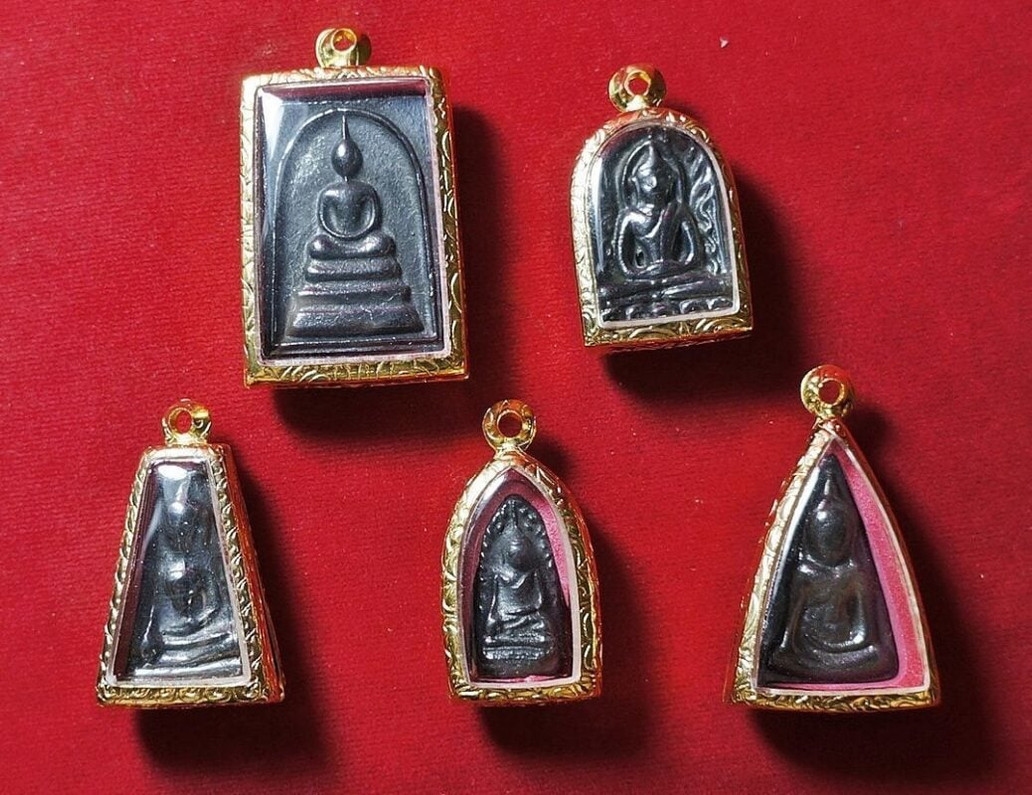
In Thailand, belief is not loud. It is woven quietly into daily life. You see it in the way people greet monks, in the small shrines at street corners, and in the amulets worn close to the heart, sometimes hidden under a shirt, sometimes carefully framed and kept at home. Thai amulets are not fashion statements. They are companions. They carry faith, memory, and intention.
Among these sacred objects, Emerald Buddha medals hold a special place. They are not just religious symbols, but reminders of national identity, devotion, and continuity. For centuries, these objects have been created not to impress, but to protect, guide, and remind.
Understanding Thai amulets and Emerald Buddha medals means understanding more than materials or designs. It means looking at history, belief systems, craftsmanship, and the way spirituality has been passed down quietly, generation after generation.
This article explores where Thai amulets come from, how they evolved, why the Emerald Buddha became so significant, and how these sacred items eventually became treasured collectibles. Not as trends, but as cultural anchors that continue to hold meaning today.
The Origins of Thai Amulets
Thai amulets have their roots in early Buddhist practices, blended with local traditions and older animist beliefs. Long before standardized amulets existed, people carried small objects believed to offer protection, such as pieces of bone, stone, or sacred symbols blessed by monks.
As Buddhism spread through the region around the 6th to 13th centuries, these practices evolved. Monks began creating amulets using clay, metal, or sacred powders, often mixed with ash from incense, herbs, or soil from temple grounds. These were blessed during rituals and given to followers as spiritual support.
Importantly, early amulets were not sold. They were often given to students, soldiers, or villagers seeking protection. Their value came from faith, not price.
What Thai Amulets Represent?
Thai amulets are deeply tied to Buddhist values. They are meant to encourage moral living, kindness, discipline, and mindfulness, not to replace them. Different amulets serve different purposes:
- Protection during travel or conflict
- Guidance in difficult times
- Reminder of Buddhist teachings
- Connection to a respected monk or temple
An amulet is not believed to “work” on its own. Many monks emphasize that faith, behavior, and intention matter more than the object itself. This belief has shaped how amulets are treated with respect, care, and understanding.
The Role of Monks and Temples
Monks play a central role in the history of Thai amulets. Many well-known amulets are associated with respected monks who were known for discipline, compassion, and wisdom.
When a monk creates or blesses an amulet, the focus is not on quantity. It is an intention. Rituals may take days or weeks, involving chanting, meditation, and offerings.
This is why amulets associated with certain monks or temples gain lasting importance. Over time, they become symbols not just of faith, but of legacy.
The Emerald Buddha: A National Symbol
The Emerald Buddha, known in Thai as Phra Kaew Morakot, is one of Thailand’s most revered religious icons. Despite its name, the statue is actually made of jade, not emerald.
The Emerald Buddha is believed to have originated in India, later traveling through Sri Lanka, Cambodia, and Laos before being brought to Thailand in the 18th century. It now resides at Wat Phra Kaew in Bangkok, within the Grand Palace.
The statue represents prosperity, protection, and legitimacy of rule. Thai kings historically associated themselves with the Emerald Buddha as a symbol of divine protection over the kingdom.
Emerald Buddha Medals: How They Came to Be
Emerald Buddha medals were created to allow people to carry the spirit and symbolism of the sacred statue with them. Since the original Emerald Buddha cannot be moved or touched by the public, medals became a way to connect personally with its presence.
These medals are often issued during special occasions, such as temple anniversaries, royal events, or religious ceremonies. They are typically blessed and produced in limited numbers.
Materials vary, including bronze, silver, and sometimes gold. Design details often reference the posture or attire of the Emerald Buddha, which changes seasonally during royal ceremonies.
From Sacred Objects to Collectibles
Over time, Thai amulets and Emerald Buddha medals naturally found a place in the world of collecting. This shift did not happen because belief weakened, but because history quietly layered itself onto these objects.
An amulet that has existed for decades, or longer, carries more than its original purpose. It carries the hands that held it, the moments it witnessed, and the faith that sustained it through time. As years pass, fewer original pieces remain. Some are lost, some are damaged, and many stay within families, never re-entering the market. Collectors are drawn to this rarity, but not blindly. What they value is not just age, but context.
They look closely at:
- When and where an amulet was created
- Which monk or temple is it associated with
- Whether it was produced in limited numbers
- Its condition, without signs of heavy alteration
- The historical moment it represents
Older amulets linked to respected monks or specific ceremonies are especially rare today. As interest grows, collectors are becoming more thoughtful. Instead of buying many pieces, they search for the right piece, one with a clear background and a story that can be traced. This reflects a wider change across collectible cultures worldwide: meaning is lasting longer than novelty.
Authenticity and Respect
Because Thai amulets and Emerald Buddha medals carry spiritual importance, authenticity is not just a technical concern; it is a moral one. Reproductions and copies do exist, some made without understanding, others made purely for profit. Over time, experienced collectors and believers learn to recognize differences through material quality, craftsmanship, aging patterns, and historical details. Authentic pieces tend to feel quieter, more grounded, not exaggerated or overly polished.
- But authenticity goes beyond identifying what is real.
- Respect plays an equally important role.
Even collectors who approach these objects from a cultural or historical angle tend to treat them with care. Amulets are stored properly, not tossed aside. Medals are handled gently, not displayed carelessly. Before acquiring a piece, many take the time to learn where it came from and what it represents. This behavior preserves more than value. It preserves dignity for the object and for the tradition behind it.
The Role of Asia Mint Collections
At Asia Mint Collections, Thai amulets and Emerald Buddha medals are approached with this same mindset. They are not viewed as trends or decorative curiosities, but as cultural artifacts with living meaning.
Each piece is considered individually. Where did it come from? Why was it made? What period does it belong to? If those questions don’t have clear answers, the piece does not belong here.
Transparency matters. Clear descriptions, honest presentation, and attention to condition allow collectors and believers alike to make informed choices. Nothing is rushed. Nothing is overstated.
The intention is simple: to act as caretakers, not just sellers. To help preserve these objects so their stories continue intact and respected.
Why These Traditions Still Matter
In a fast, modern world, Thai amulets and Emerald Buddha medals offer something rare: stillness. They remind people to slow down, to reflect, and to stay grounded in values that do not change easily. They connect the present to the past without demanding explanation or justification.
These objects endure because they represent ideas that never lose relevance: respect, mindfulness, continuity, and faith in something larger than oneself. Whether worn daily, kept safely in a collection, or studied quietly, Thai amulets and Emerald Buddha medals carry more than form or material. They carry intention. And that, more than rarity, age, or price, is why they continue to matter.