One Piece isn’t a new term in the anime world. Its been two decades we’ve been living with it, but its trading cards are still a new obsession for traders and One Piece fandom. They have started making waves in no time; the One Piece TCG has taken the trading game to a new level.
What started as a game tied to a beloved anime has quickly grown into a serious collectibles market. Fans aren’t just playing with these cards. They’re collecting them, grading them, trading them, and in some cases, holding onto them like long-term treasures.
The only reason is the rarity of One Piece tradingcards, they sit at the perfect crossroads of storytelling, artwork, scarcity, and fandom. If you are a long-time anime fan, a trading card collector, or just discovering how to trade, these cards have something fresh for you.
Let’s discover what these cards are, how rarity works, and why some One Piece cards are already commanding serious attention.
What are One Piece Trading Cards?
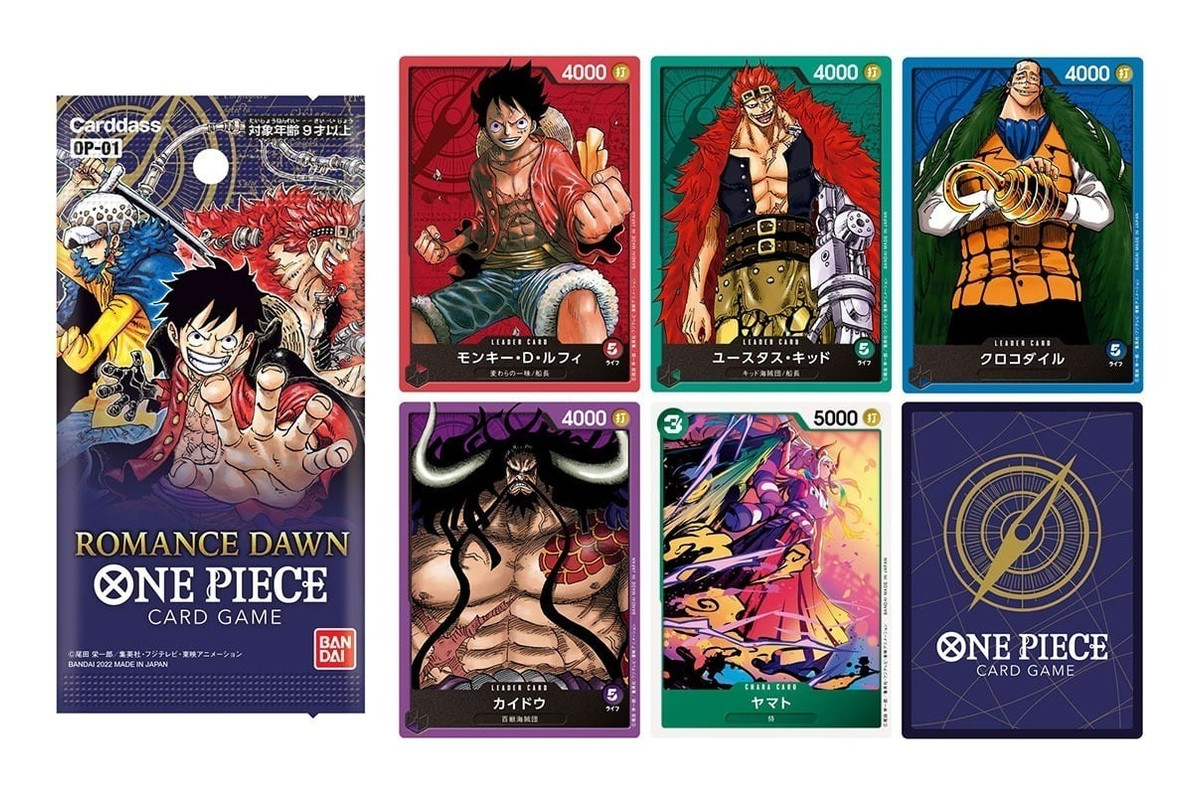
One Piece trading cards are a collectible card game based on the popular manga and anime series “One Piece.” One Piece TCG is an official trading game produced by Bandai, launched in 2022. This game is totally different from those unofficial anime card games; it is fully sanctioned, tournament-playable, and globally distributed.
Each card features characters, moments, and artwork drawn directly from Eiichiro Oda’s world, from early East Blue adventures to major story arcs that longtime fans instantly recognize. Bandai designed the game to be accessible for new players, while still offering enough depth to keep experienced players engaged.
At their core, these cards serve two purposes:
Gameplay, with structured rules and competitive formats.
Collecting, driven by artwork, rarity, and character appeal
And, just like Pokémon or Yu-Gi-Oh! Every card isn’t opened to be played. Some are pulled, sleeved, and never shuffled into a deck. For many collectors, the value lies not in winning matches but in owning a piece of the One Piece story, preserved in card form.
Why Are One Piece Trading Cards Collectible?
One Piece trading cards are collectible because they sit on top of the strongest fa foundations in modern pop culture. The One Piece manga has sold over 500 million copies worldwide, making it the best-selling manga series in history. The global reach is noticeable and matters a lot. It creates a built-in audience that already understands the characters, the stories, and their significance.
Then there’s legitimacy. These cards are officially produced by Bandai and launched globally in 2022, with organized tournaments and structured releases. That controlled production keeps the market clear and consistent, something collectors look for when deciding what’s worth holding long term.
Certain cards, especially secret rares, alternate arts, and manga rares, are pulled at extremely low rates, often one per multiple booster cases, not boxes. As a result, supply remains limited even while demand continues to grow. Some Manga Rare cards have already crossed four-figure prices in graded condition.
One Piece cards are collectibles not because of hype, but the story is proven. The demand for One Piece trading cards is serious, and traders are ready to pay a good amount for them.
A Quick Look at One Piece Card Sets
Bandai releases One Piece cards in sets, each tied to specific story arcs, characters, or themes from the series. These are usually sold as:
- Booster boxes
- Booster packs
- Starter decks
Some of the most well-known early sets include:
- Romance Dawn
- Paramount War
- Pillars of Strength
- Kingdoms of Intrigue
Each new set adds fresh cards to the pool, introduces new artwork styles, and expands the rarity chase. Importantly, older sets don’t stay in print forever, which means unopened boxes and key cards often become harder to find over time. This cycle alone is one of the biggest drivers of long-term value.
Find Rarity on a One Piece Trading Card
Rarity is where things get interesting, and where many new collectors get confused. One Piece does a good job of making rarity visible, but understanding what it actually means helps separate hype from real value. Here’s how rarity generally works:
Common (C)
Common cards are easily available and can be found in every booster pack you open.
These are the most frequently printed cards. They’re essential for gameplay but usually hold minimal collector value unless tied to a special release or condition.
They are commonly known as parallel rares on the wider market. You’re widely seen as Box Toppers, but you’ll also find them in booster boxes. They only have a small star above their rarity symbol.
Uncommon (UC)
Slightly harder to pull than commons, but still widely available. Value remains modest.
Uncommon has always felt like a slightly odd rarity. It mostly exists to separate cards that are a bit better than commons, but without adding much extra value. You’ll still see uncommon cards in every One Piece TCG pack you open.
Just like commons, some uncommon cards also come with alternate artwork and a small star. This is great for both collectors and players who want something more stylish. Personally, I love this idea. Building a full deck with alternate art cards looks amazing and is a real flex.
Rare (R)
Now we’re entering collector territory. Rare cards feature stronger characters, better artwork, or important story moments. Some rares gain value if they become playable staples.
These cards are shiny like stars and easier to spot at first glance than their lower-rarity counterparts. You will surely find at least one rare card per pack, but you may get a second if you are not fortunate enough to open something more glowy.
Super Rare (SR)
Super Rare cards are printed in noticeably lower quantities than standard rares and usually feature well-known characters or key moments from the series. These cards often include stronger artwork, foil finishes, or visual upgrades that make them stand out immediately. Super Rares are popular with both players and collectors, making them some of the most actively traded cards in any set.
Secret Rare (SEC)
Secret Rare cards are among the hardest pulls in a booster box and are intentionally produced in limited numbers. They often serve as the headline cards of a set, featuring major characters or dramatic designs. Because supply is low and demand is high, Secret Rares tend to hold value well and are frequently graded or stored rather than played.
Alternate Art (Alt Art)
Alternate Art cards feature entirely different illustrations from their standard versions, often created exclusively for the card game. While the print run may not always be smaller, collector demand is much higher due to their unique designs. These cards highlight artistic creativity and character expression, making them favorites among collectors who value visual appeal over gameplay utility.
Manga Rare
Manga Rare cards sit at the top of the rarity hierarchy. Their artwork is inspired directly by Eiichiro Oda’s original manga panels, giving them a distinctive black-and-white or manga-style aesthetic. These cards are extremely scarce, often appearing once every several booster cases. Because of their rarity, artwork, and fan appeal, Manga Rares regularly command premium prices.
Why One Piece Trading Cards Are Here To Stay
One Piece cards work because they are built on a foundation that already proven itself. The story is legendary. The fanbase is global. The artwork is strong. And the card game is well-supported.
More importantly, collectors trust the product. Rarity is clear. Print quality is high. And Bandai has shown consistency in releases.
Whether you are opening packs, completing a set, or hunting that one elusive Manga Rare, One Piece trading cards offer something rare in modern collectibles excitement, with staying power. And that’s exactly why people keep coming back for more.