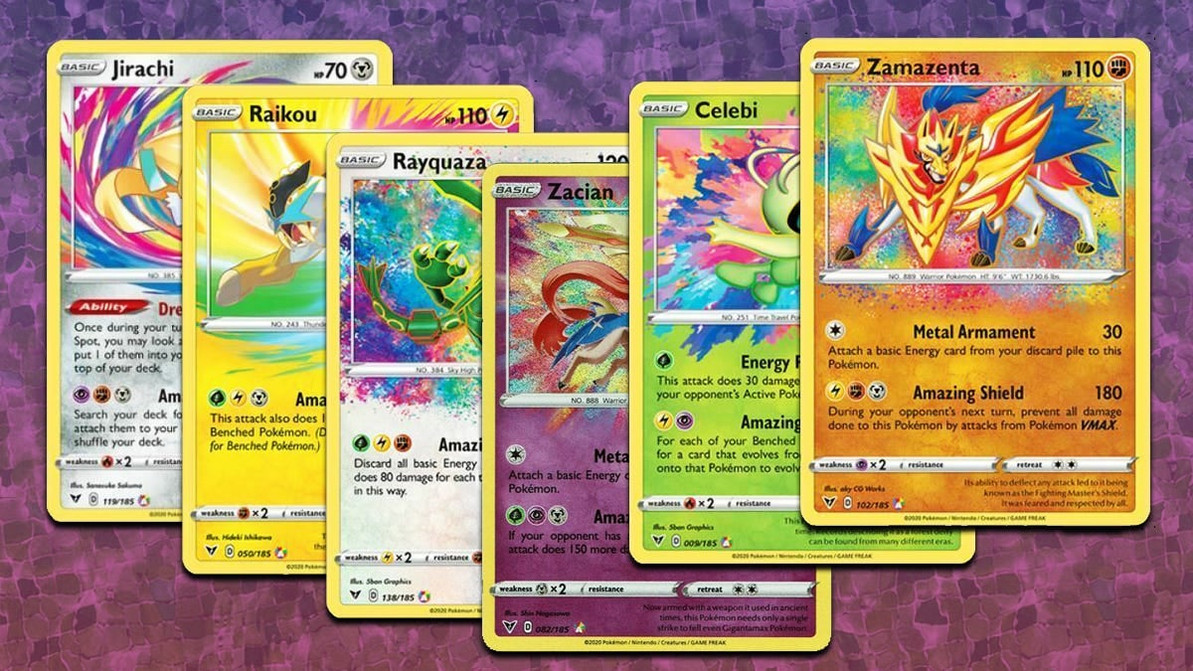
Genz or millennials who don’t know about the Pokémon series. If you are the one who grew up saying “Gotta catch ’em all,” there’s a good chance Pokémon trading cards have a special place in your heart, and maybe your closet, binder, or attic.
What started as a humble card game tied to an iconic video game and anime series has exploded into one of the most collectible and culturally significant hobbies in the world. Some Pokémon cards are worth more than cars, some have been sold for millions, and even casual hobbyists find themselves captivated not just by gameplay, but by nostalgia and rarity.
Whether you’re a former kid digging up old cards or someone new drawn into the community by social media buzz and jaw-dropping auction prices, Pokémon cards are worth understanding at every level. In this article, we’ll break down what Pokémon cards are, where they come from, how rarity works, what makes cards valuable, and how the market evolved over nearly three decades.
What Are Pokémon Trading Cards?
Pokémon cards are collectible trading cards featuring various characters and creatures from the Pokémon series. The Pokémon (TCG) first launched in Japan in 1996, tied to the already successful Pokémon video game franchise. By 1999, the game reached the Western market, quickly becoming a staple alongside the games and animated series.
The concept is simple: players build decks and battle using Pokémon creatures, Trainer cards, and energy cards. Over time, the game grew in complexity and popularity, with expansions, mechanics, and tournaments adding depth and community appeal.
While gameplay remains a key part of the Pokémon experience, many people collect cards even if they never play a match. The appeal is similar to classic collectibles: nostalgia, art, rarity, and a sense of owning something iconic.
It’s estimated that more than 43 billion Pokémon cards have been sold worldwide since the game began, and that number continues to grow each year.
How Pokémon Cards are Printed & Distributed?
Pokémon cards are released in sets and series, each tied to a theme, generation, or gameplay mechanic. Typical releases include:
- Base sets (the core series).
- Expansion sets with new Pokémon and features.
- Special editions tied to anniversaries or events.
- Promotional cards are given out at events or through contests.
Cards are sold in booster packs, booster boxes, Elite Trainer Boxes, and sometimes individually or as part of promotional releases. Some are printed in massive quantities; others are produced in such limited runs that collectors consider them treasures.
To give a sense of scale, Reddit communities tracking production estimates have suggested annual increases of several billion cards per year, for example, around 10.2 billion cards added in one recent year alone, showing how vast the Pokémon card ecosystem has become.
Types of Pokémon cards
You will find different types of Pokémon cards, and every card has its unique identity and characteristics. The common types of Pokémon cards are basic, stage 1, and stage 2.
Basic Pokémon Cards
These are where every Pokémon journey begins. Basic cards show a Pokémon in its starting form and are usually the first ones you place on the table. They tend to have lower HP and simpler attacks, but don’t underestimate them — every powerful evolution starts here.
Stage 1 Pokémon Cards
Stage 1 cards represent a Pokémon’s first evolution. They can only be played by evolving a matching Basic Pokémon. With higher HP and stronger attacks, these cards start to shift the momentum in a battle and feel like a clear upgrade.
Stage 2 Pokémon Cards
Stage 2 cards are the final form in a Pokémon’s evolution line. These are the heavy hitters. They usually come with the highest HP, stronger abilities, and more impactful attacks, making them some of the most powerful cards in the game.
EX, GX, V, VMAX, and VSTAR Cards
These are the showstoppers. Special Pokémon cards like EX, GX, V, VMAX, and VSTAR feature boosted HP, flashier artwork, and powerful attacks or abilities. They’re designed to turn games around quickly — and they’re also some of the most collectible cards in modern sets.
Trainer and Supporter Cards
These cards don’t battle, but they make battles possible. Trainer and Supporter cards help you draw more cards, heal your Pokémon, search your deck, or disrupt your opponent’s strategy. Think of them as the behind-the-scenes brains of the game.
Energy Cards
Energy cards fuel everything. Without them, Pokémon can’t attack at all. Each Pokémon needs specific types of energy to use its moves, making energy management a key part of both gameplay and deck-building.
Understanding Rarity in Pokémon Cards
Rarity is one of the most important concepts in Pokémon collecting and directly affects value. The game uses a combination of symbols and card features to indicate how common or rare a card is.
Here’s a breakdown:
Common
These cards appear most often in packs. They’re essential for gameplay but usually aren’t highly valued by collectors.
Uncommon
Slightly less common than commons, but still easy to find in most booster boxes.
Rare
These start to show up less frequently and typically feature stronger or more iconic Pokémon.
Holo and Special Rares
Cards with holographic (shiny) artwork or special treatments tend to be rarer and more collectible.
Ultra Rares and Secret Rares
These cards are printed in much lower numbers, often with unique art, gold borders, or special set numbering above the regular card count.
First Edition and Shadowless
Early Pokémon cards from the Base Set era, especially first edition prints, are famously scarce and highly prized by collectors. Rare cards aren’t just rare because fewer were printed; condition matters too. A card that is common in raw form might be rare in perfect condition, especially at higher grading levels.
What Makes Pokémon Cards Valuable?
Several factors drive value in the Pokémon card world:
1. Rarity and Print Run
Cards printed in fewer quantities are naturally more scarce. True rarities — such as promotional or tournament-exclusive cards — are often worth more than regular set cards.
2. Condition and Professional Grading
A card’s physical condition is crucial. Professional grading services like PSA (Professional Sports Authenticator) and Beckett assess cards based on surface, edges, corners, and centering. A card graded PSA 10 (Gem Mint) can be worth 10–50× more than the same card in ungraded form.
3. Historical Significance and Nostalgia
Cards from the earliest sets, particularly the 1999 Base Set and its 1st Edition Shadowless versions, carry huge nostalgic weight and often top collector wish lists.
4. Cultural Icons
Certain Pokémon have iconic status. Charizard and Pikachu are perennial favorites whose cards tend to fetch high prices compared with others simply due to popularity and recognition.
5. Special Prints and Promos
Some cards were never meant for wide distribution; for example, Illustrator Pikachu, which was awarded as a prize in a Japanese art contest. Fewer than 40 copies are believed to exist, and one graded PSA 10 copy sold for an astonishing $5.275 million in 2022.
Why Pokémon Trading Cards Matter?
Pokémon cards combine nostalgia, gameplay, and collectible culture in a way few other hobbies do. They connect generations of parents who collected in the 1990s, now share the hobby with their kids, and newcomers are discovering the thrill of the hunt through graded cards and modern rarities.
Whether you’re chasing vintage grails or building themed decks, understanding the fundamentals of rarity, print runs, condition, and cultural significance helps you appreciate why Pokémon trading cards remain one of the most fascinating collectibles on the planet.
So go ahead- dig out that old binder, check those cards, and maybe you’ll find something worth more than you expected.