
17.09.26
The United Kingdom’s Royal Mint
The Royal Mint is one of the world’s leading and most historic coin makers — the oldest company in the United Kingdom and one of the oldest mints on Earth.
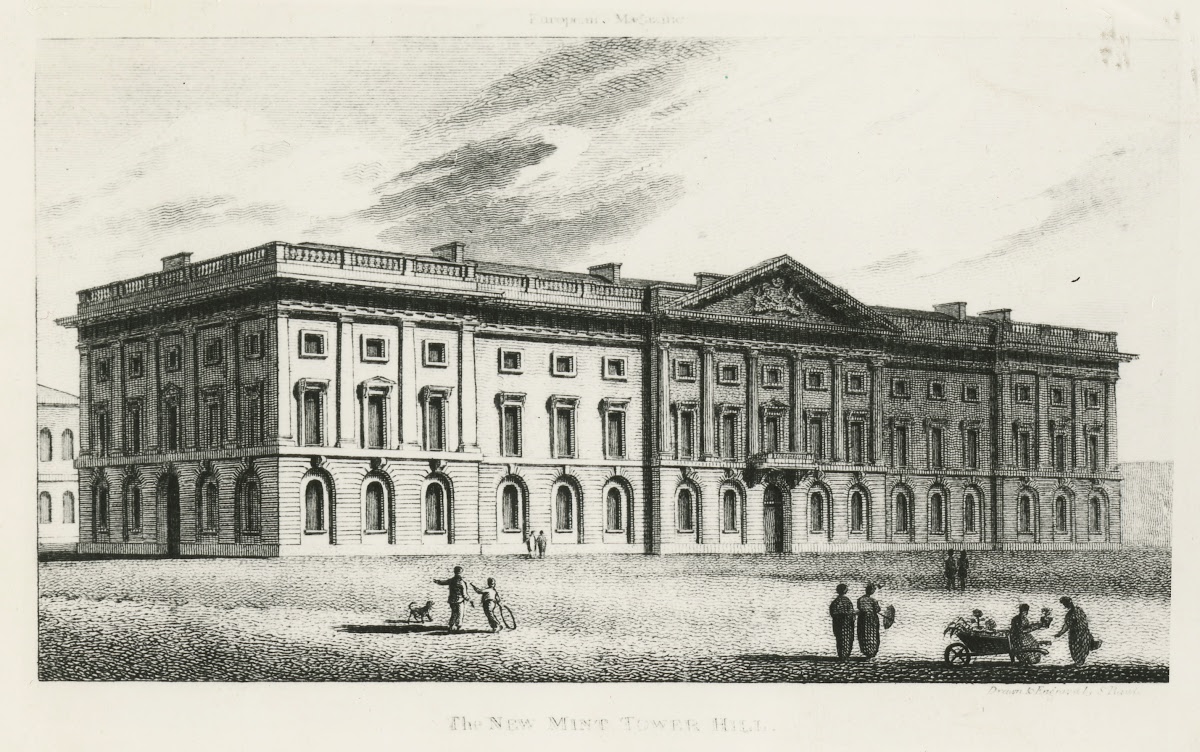
Beyond striking the coins in British pockets, it has produced currency for dozens of countries and created some of the most valuable rare coins ever sold. This guide explores its history, what it makes today, its famous commemorative ranges, and the legendary rarities collectors dream of owning.
A History Spanning Over 1,100 Years
The Royal Mint traces its origins to around AD 886 — making it the oldest company in the UK and, by its own account, the second oldest mint in the world. In those early days, coin production was scattered across the country.
The Royal Mint Today
Now a government-owned company owned by HM Treasury, the Royal Mint plays a significant role in the UK economy as an employer, exporter, manufacturer, and creative force. Its primary job is producing and distributing the UK’s coinage, but its reach is global: it has developed currency for more than 30 countries, earning its reputation as the world’s leading export mint.
As physical cash use declines, it has expanded into:
That shift helped it deliver an operating profit of around £12.7 million in 2020–21.
What Modern UK Coins Are Made Of
Unlike the precious-metal coins of the past, most modern UK circulating coins are made from base-metal alloys, which keeps everyday coinage durable and affordable to produce.
| Cupro-nickel | About 75% copper and 25% nickel — used for many denominations. |
| Copper-plated steel | Today’s 1p and 2p coins, which were once made of bronze. |
Commemorative and Limited-Edition Coins
The Royal Mint is solely responsible for the UK’s commemorative coins, and this is where much of its creativity shows.
Famous Rare Coins from the Royal Mint
Over its long history, the Royal Mint has struck coins that are now among the most sought-after in the world.
The 1917 George V Sovereign
During the First World War, gold became impractical for circulation and London sovereign production ceased in 1917. Many surviving 1917 London sovereigns were melted down and sent to the United States to help pay war debt. Those that escaped are prized by collectors.
The Coinage of Edward VIII
Edward VIII acceded in early 1936 but abdicated just 326 days later — production had even been scheduled to begin at 8:00 a.m. on 1 January 1937. Only a handful of trial and pattern pieces were made. In 1970, when Deputy Master Sir Jack James retired, a sealed box in his office was found to contain 49 Edward VIII coins.
The 1933 Penny
In 1933, UK banks held such large stocks of pennies that none were needed. But a tradition of burying complete year-sets under the foundation stones of new buildings meant a tiny number were struck. Rumors that one slipped into circulation made it a legend — before decimalization in 1971, people searched their change hoping to find one.
The Queen Anne Vigo Five-Guinea
Only a handful of these coins were ever made. Its 2019 sale set a new world record for any British coin sold at auction at the time.
Why Collectors Value Royal Mint Coins
Royal Mint coins combine the qualities that drive value throughout numismatics:
Whether it’s a modern commemorative celebrating a cultural icon or a centuries-old gold rarity, the Royal Mint offers something for collectors at every level, from casual enthusiasts to serious investors.
Final Thoughts
Few institutions can claim a story stretching back more than eleven centuries. From the scattered mints of Alfred the Great’s England to a cutting-edge facility in South Wales, the Royal Mint has struck coinage for every British monarch and countless nations beyond.
Sources