In many Southeast Asian homes, amulets are not locked away in glass cases or treated like museum pieces. They sit quietly on altars, hang from rear-view mirrors, rest inside wallets, or are worn close to the skin. Some are old. Some are new. Some are inherited, others carefully chosen. But almost all carry one thing in common: belief.
Amulets have been part of daily life in Southeast Asia for centuries. Long before modern ideas of fashion, branding, or even money, people turned to small objects for protection, luck, strength, and peace of mind. And despite how much the world has changed, amulets haven’t disappeared. If anything, they’ve adapted.
Today, amulets exist at the crossroads of spirituality, culture, and collecting. Whether you believe deeply in their power or simply appreciate their craftsmanship and history, understanding amulets helps you understand the region itself. So, let’s start at the beginning.
What Is an Amulet?
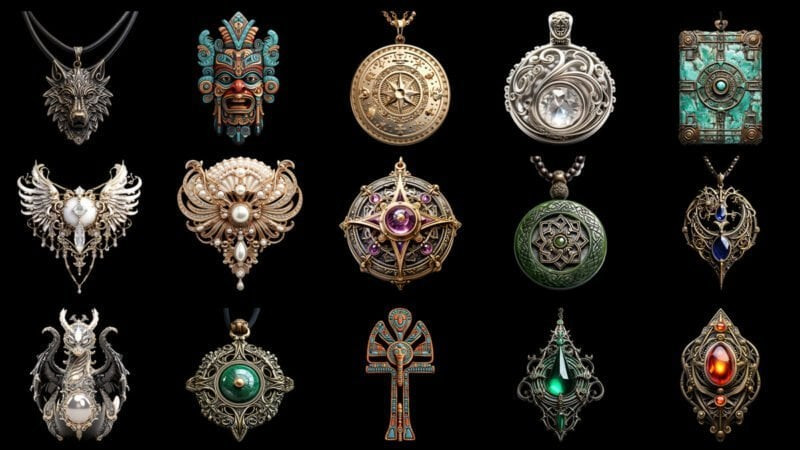
At its simplest, an amulet is a small object believed to offer protection, good fortune, or spiritual benefit to the person who carries or wears it. The belief isn’t limited to one religion or culture; amulets exist in Buddhism, Hinduism, folk traditions, and even pre-religious spiritual practices. In Southeast Asia, amulets are commonly associated with:
- Protection from harm
- Good luck and prosperity
- Health and healing
- Spiritual strength
- Guidance and peace of mind
An amulet can be made from metal, clay, wood, bone, stone, or even sacred powders. What gives it meaning isn’t just the material, but the story behind it, who made it, where it came from, and how it was blessed.
A Short History of Amulets in Southeast Asia
Amulets in Southeast Asia go back hundreds of years, long before modern borders existed. Early communities blended animist beliefs with Buddhism and Hinduism, creating a spiritual system where the physical and spiritual worlds were closely connected.
Monks, spiritual teachers, and respected craftsmen began creating amulets not as decorations, but as tools. These objects were believed to carry blessings, protective chants, or sacred energy. Over time, certain amulets became associated with specific temples, monks, or historical periods.
In countries like Thailand, Cambodia, Myanmar, Laos, and parts of Indonesia, amulets became deeply woven into everyday life. Soldiers carried them into battle. Traders wore them for luck. Families passed them down through generations.
Even today, many people receive their first amulet not from a shop, but from a parent, a temple visit, or an important life moment.
Types of Amulets Commonly Found in Southeast Asia
Not all amulets serve the same purpose. While designs and meanings vary by country and tradition, most fall into a few broad categories.
Protective Amulets
These are among the most popular. They are believed to protect the wearer from accidents, illness, bad intentions, or negative energy. Many people wear them daily, especially while travelling or working in high-risk jobs.
Luck & Prosperity Amulets
These amulets are associated with business, trade, or personal success. These amulets are believed to attract good opportunities, financial stability, and positive outcomes. You’ll often see them worn by shop owners or kept in workplaces.
Health & Healing Amulets
Some of the amulets are also related to physical or emotional well-being. They are believed to offer strength during illness or difficult periods and are often kept close rather than displayed.
Spiritual or Meditation Amulets
These amulets are less about material outcomes and more about inner peace, focus, and spiritual growth. They are commonly associated with monks and meditation practitioners.
Materials Matter- But Meaning Matters More
Amulets can be made from many materials- bronze, silver, clay, stone, or sacred powders mixed with herbs, ash, or temple soil. Some even contain relic fragments or inscriptions tied to a specific monk, temple, or period.
Materials do affect durability and craftsmanship, but anyone familiar with amulets will tell you this: origin matters more than shine. An old, well-worn amulet from a respected source often carries far more value, spiritually and historically, than a flawless piece with no background.
In Southeast Asia, age is not a flaw. Wear is proof of belief, handling, and real life. This is why platforms like Asia Mint Collections focus on clear descriptions, proper sourcing, and honest presentation. When you understand where an amulet comes from, what it represents, and how it was made, its value becomes easier to appreciate- beyond just how it looks.
Religion, Belief & Respect
Amulets are not magic shortcuts. In Buddhist traditions, especially, they are meant to support moral living, not replace it. Many monks emphasize that amulets work best when paired with kindness, honesty, mindfulness, and discipline.
That belief shapes how amulets are treated. Respect matters. They are not trends or accessories to be worn casually and forgotten. Even collectors who approach amulets from a historical or cultural angle tend to handle them carefully, storing them properly, learning their background, and avoiding misuse.
This respect is also reflected in how amulets are presented and sold. Clear information, accurate descriptions, and transparency help maintain the dignity of these objects. At Asia Mint collections, that respect is central, whether an amulet is purchased for faith, heritage, or collecting.
Amulets As Collectibles
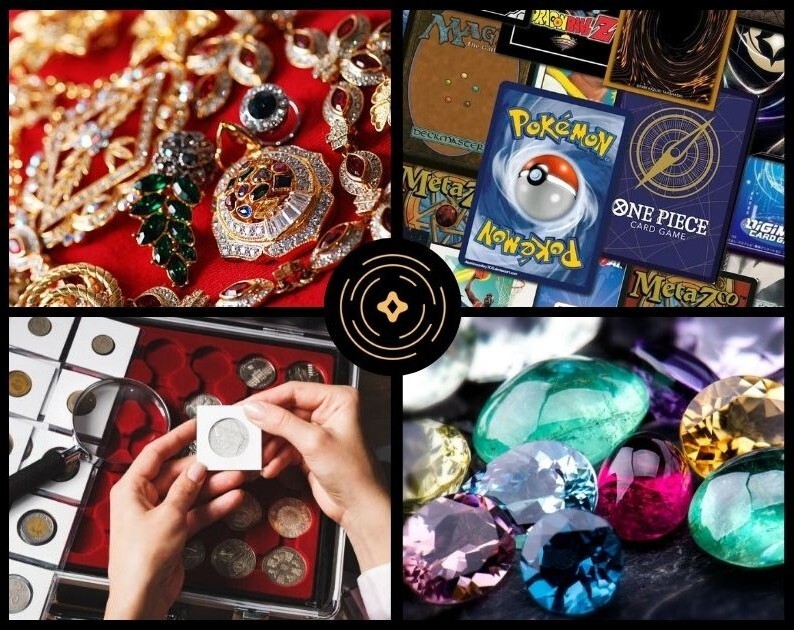
Over time, amulets have naturally become collectible items. Some are valued for:
- Historical Importance
- Association with respected monks or temples
- Limited production periods
- Unique craftsmanship
- Age and Condition
Certain vintage amulets are genuinely rare, especially those no longer produced or tied to specific moments in history. As interest grows, collectors are becoming more selective. Instead of buying many pieces, they focus on authenticity, provenance, and long-term value. This mirrors what’s happening across many collectible markets today- quality over volume.
Marketplaces like Asia Mint Collections sit at this intersection, serving both believers and collectors by offering curated pieces with clear backgrounds. In a space where trust matters, transparency becomes part of the value itself.
How to Choose An Amulet
For many people, choosing an amulet is personal. Some are drawn by design. Others by recommendation. Sometimes, it’s simply a feeling that’s hard to explain.
A few simple guidelines help:
- Choose an amulet with a clear background
- Buy from trusted, transparent sources
- Understand its purpose before wearing or storing it
- Treat it with respect
- Don’t rush- the right amulet often finds you
Whether you deeply believe in its spiritual power or appreciate its history and craftsmanship, knowing the origin of your amulet adds confidence, and it is an integral part of your belief.
Modern Life With Ancient Beliefs
Amulets haven’t stayed frozen in the past. Today, people wear them under modern clothing, carry them discreetly, or collect them as cultural and historical pieces. Online platforms have also made amulets more accessible to a wider audience across Southeast Asia and beyond.
This accessibility makes trust even more important. When buyers can’t hold an amulet in their hands before purchasing, clear information and honest presentation matter more than ever.
That’s where curated marketplaces like Asia Mint Collections play a role, bridging tradition with modern access, without losing the meaning behind the object.
Why Amulets Still Matter
Amulets still matter because they connect people to something deeper than daily routines. They represent faith, heritage, protection, and intention. In Southeast Asia, they are not just beliefs- they are a lived culture.
Whether worn for protection, collected for history, or passed down through family, aulets carry stories. And stories carry weight.
An Amulet doesn’t promise miracles. What it offers is something quieter and often more powerful: reassurance, continuity, and connection. And sometimes, it’s more than enough.